
About Red Fort (Lal Qila)
Step into History at the Red Fort
The Red Fort, or Lal Qila, is more than just a fort; it's a sprawling complex that was the main residence of the Mughal emperors for nearly 200 years. Built by Emperor Shah Jahan in 1648, it stands as a magnificent testament to Mughal architecture and power. Located in the heart of Old Delhi (Shahjahanabad), this UNESCO World Heritage site is a must-see for anyone wanting to connect with India's rich past.
What to See Inside
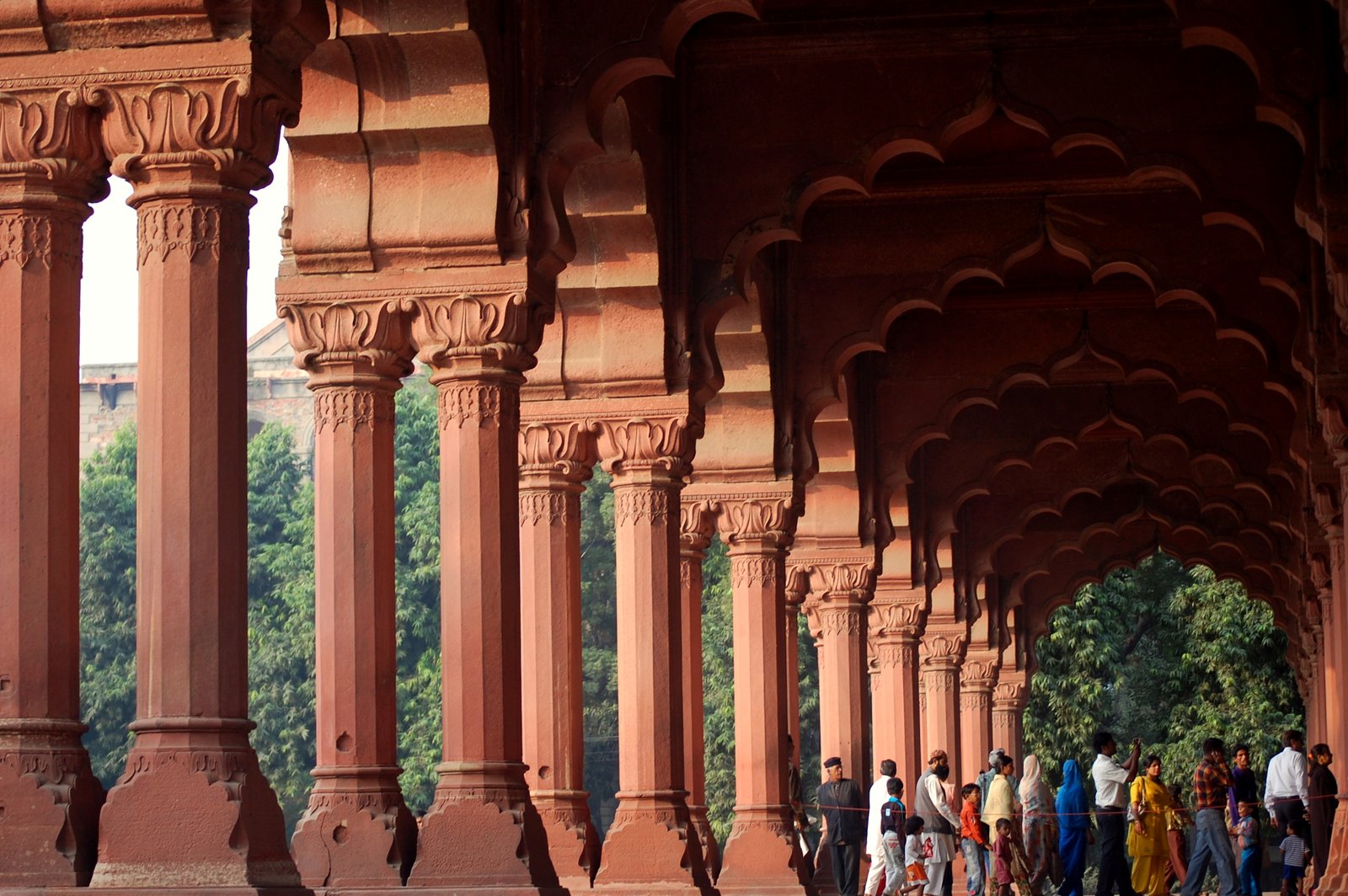
- Diwan-i-Aam (Hall of Public Audience): Imagine emperors addressing their subjects from this grand hall, known for its ornate pillars.
- Diwan-i-Khas (Hall of Private Audience): This exquisite hall, once adorned with the Peacock Throne, was where the emperor held private meetings. Look for the Persian inscriptions.
- Khas Mahal: The emperor's private palace, showcasing a blend of Mughal and Persian architectural styles.
- Rang Mahal (Palace of Colour): Known for its beautiful painted decoration and intricate designs.
- Lahori Gate & Delhi Gate: The imposing main entrances to the fort, showcasing impressive defensive architecture.
- Naubat Khana (Drum House): Where musicians played during ceremonies.
Visitor Tips
- Allocate Enough Time: Give yourself at least 2-3 hours to explore the vast complex and soak in the history.
- Audio Guide: Consider getting an audio guide to understand the stories and significance of each structure.
- Evening Light and Sound Show: A popular attraction that brings the fort's history to life after sunset. Check timings locally.
- Stay Hydrated: Carry water, especially during warmer months.
- Comfortable Shoes: You'll be doing a lot of walking on uneven surfaces.
- Photography: The fort offers numerous picturesque spots, but be mindful of restrictions in certain areas.
Visiting the Red Fort is like stepping back in time. It’s a powerful reminder of Delhi’s imperial past and a truly unforgettable experience.
“Step into History at the Red Fort The Red Fort, or Lal Qila, is more than just a fort; it's a sprawling complex that was the main residence of the Mughal emperors for nearly 200 y...”
Key Attractions Within
Red Fort (Lal Qila)
The Red Fort (Lal Qila) is one of the most iconic historical monuments in Delhi and a UNESCO World Heritage Site. Built in 1648 by Mughal Emperor Shah Jahan, this magnificent red sandstone fort served as the main residen...
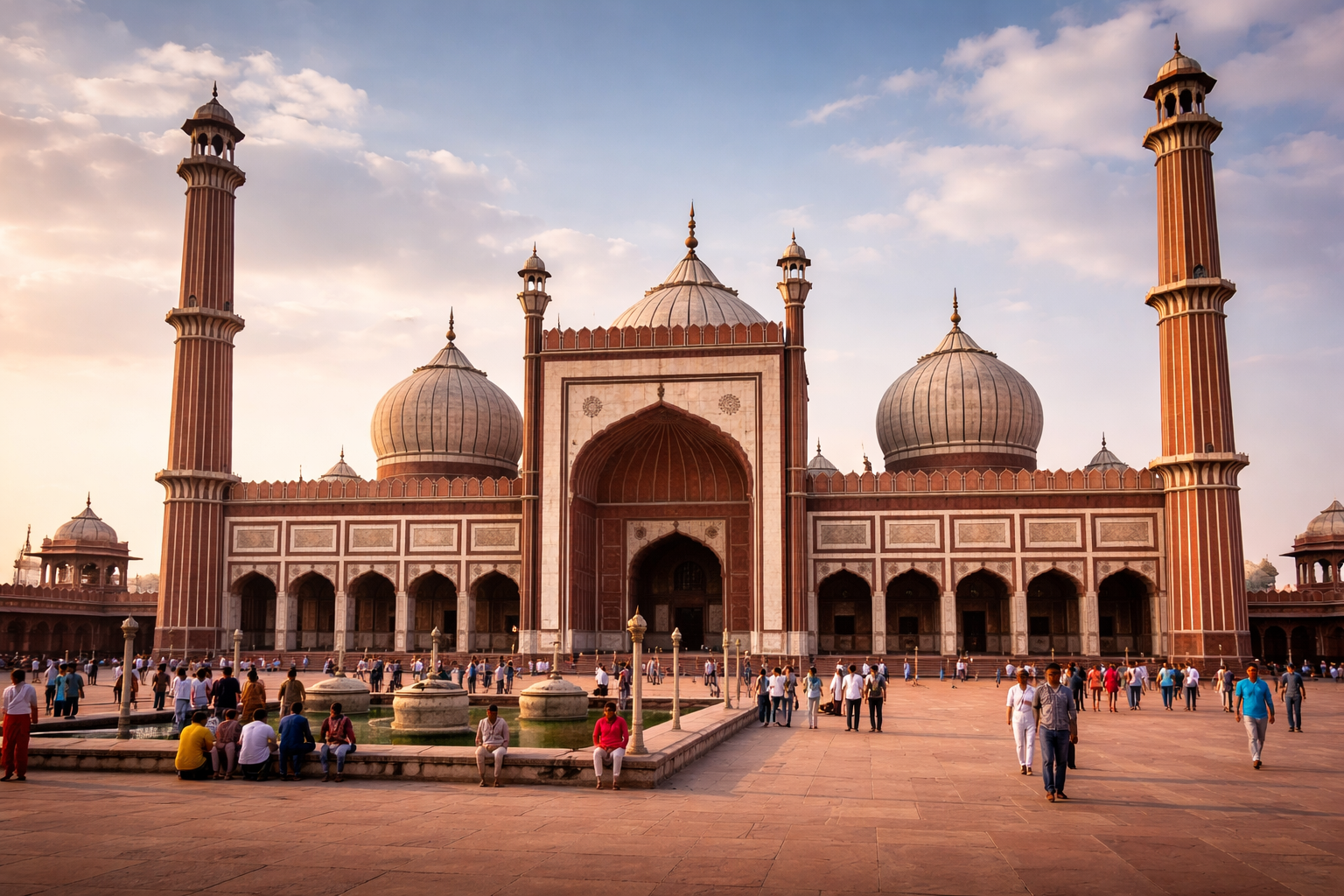
Jama Masjid
Jama Masjid is one of the largest and most magnificent mosques in India, located in the heart of Old Delhi, just a short walk from the Red Fort. Built between 1650 and 1656 by Mughal Emperor Shah Jahan, the mosque is an...
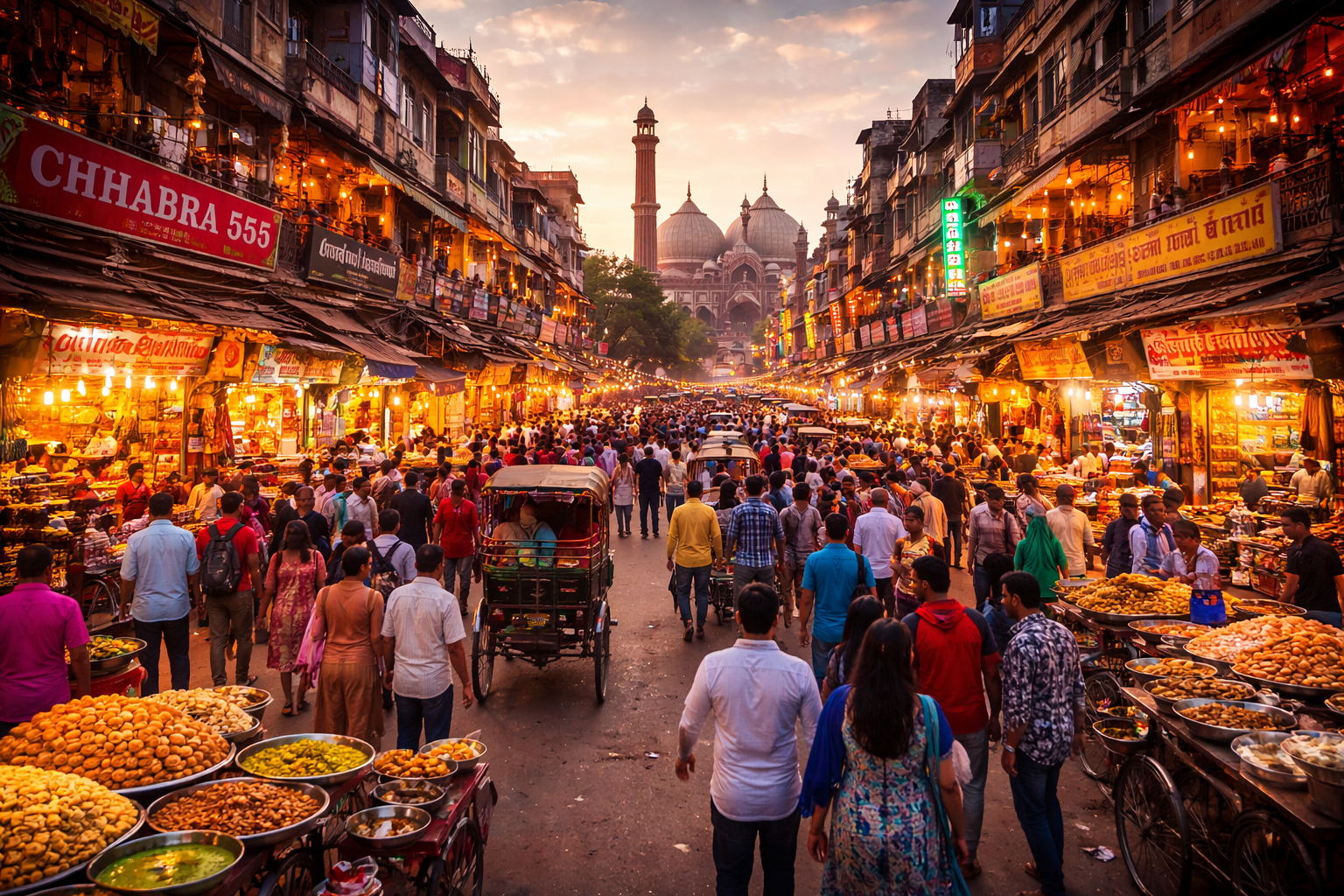
Chandni Chowk
Chandni Chowk is one of the oldest and busiest markets in Delhi, located just a short walk from the Red Fort in Old Delhi. Established in the 17th century by Mughal Emperor Shah Jahan and designed by his daughter Jahanar...
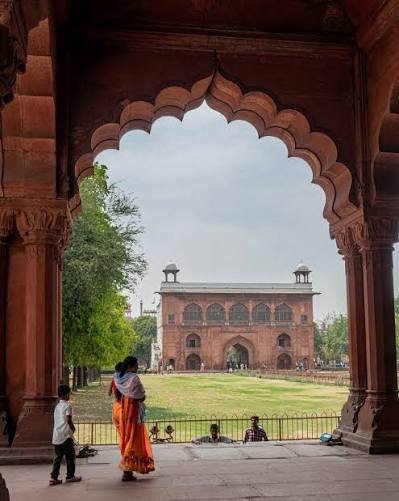
Architectural Textures & Light
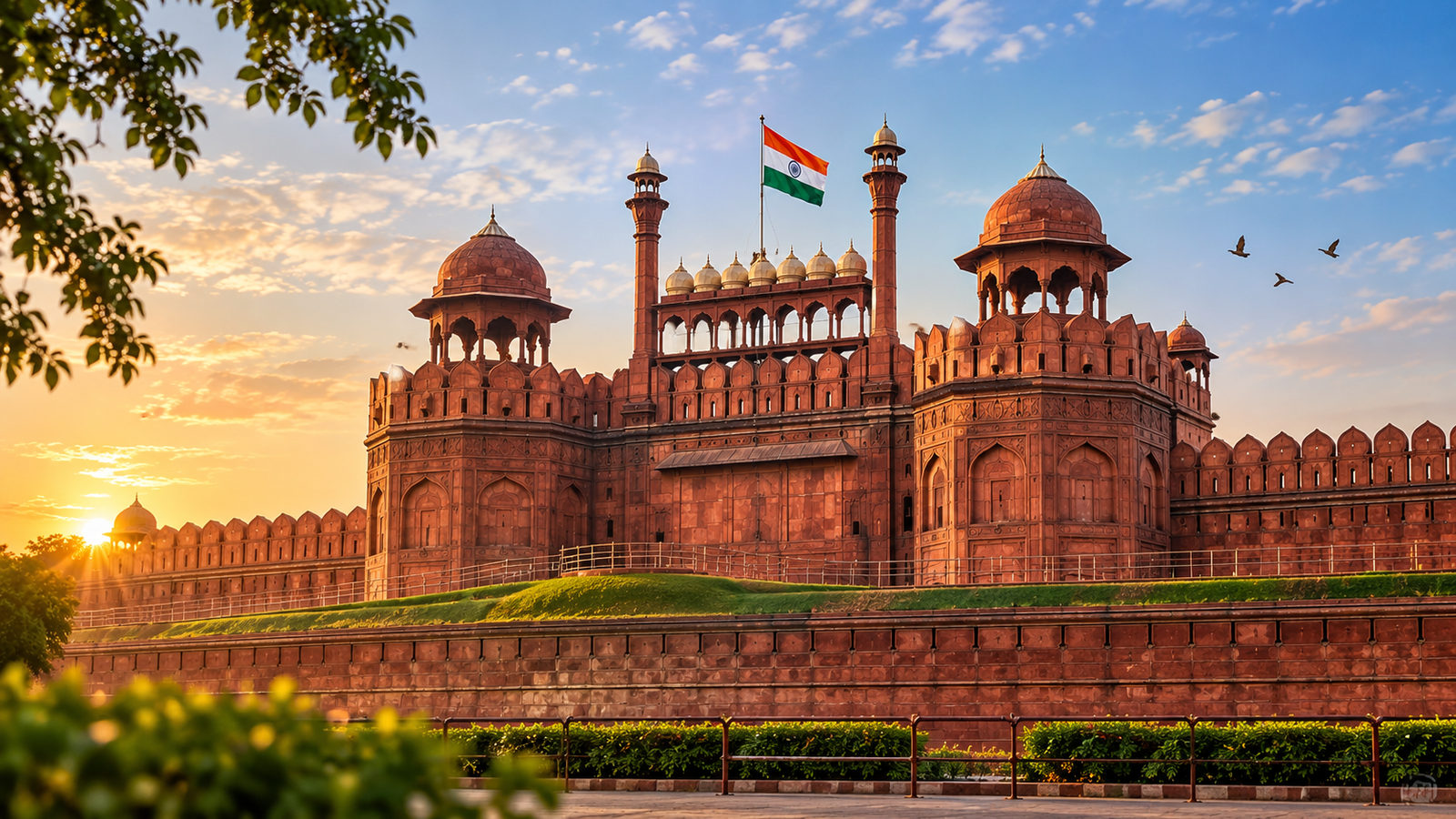
Red Fort (Lal Qila)
Visitor Protocol & Courtesies
Best Time to Visit
- Best Months: October to March offer pleasant weather, ideal for exploring. Avoid the peak summer months (April to June) and the monsoon season (July to September) if possible.
- Time of Day: Aim for early morning to avoid crowds and the midday heat. Late afternoon is also pleasant, offering beautiful light for photos.
- Crowds: Weekends and public holidays tend to be busier. Weekdays are generally less crowded.
How to Reach
- Metro: The nearest metro station is Lal Qila (Red Line), which is directly opposite the fort's entrance. It's the most convenient way to reach the Red Fort.
- Auto-rickshaw/Taxi: You can hire an auto-rickshaw or a taxi. Be sure to agree on the fare beforehand or use a ride-hailing app.
- Walking: If you're exploring Chandni Chowk or Old Delhi, the Red Fort is a major landmark and easily accessible on foot from nearby areas.
Essential Walking Course
Extend Your Walk: Local Immersions
Pair this destination with 1 curated experience departing from the neighborhood.